
In the competitive landscape of the Northern Ireland Premiership, Carrick Rangers have experienced a rollercoaster of performances recently. While there have been glimpses of brilliance, the inconsistency in results suggests that tactical refinements could elevate The Gers to a more stable position in the league table. Analyzing their recent form reveals both strengths to build upon and weaknesses that require addressing.
Current Tactical Framework
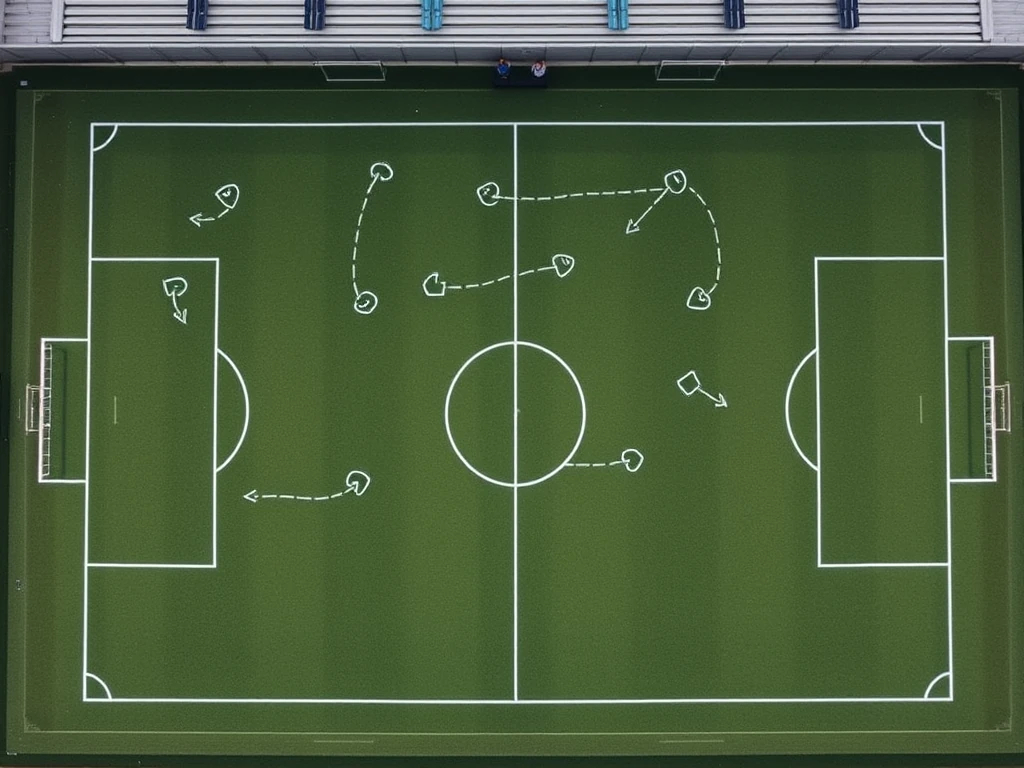
Carrick Rangers predominantly utilize a 4-2-3-1 formation, which allows for a solid midfield presence while providing width through the wingers. This setup has enabled them to control the midfield battle in several matches, particularly when they maintain possession and dictate the pace of play. However, the reliance on this formation has sometimes led to predictability in their attacking approach, especially against teams that employ a high press.
Strengths to Build On
One of the clear strengths of Carrick Rangers is their midfield dynamism. The duo of K. Cherry and L. Donnelly often provide a strong link between defense and attack, showcasing their ability to transition quickly. Additionally, the attacking prowess of J. Boyd on the flanks has proven effective, particularly in exploiting spaces left by opposing full-backs. However, to maximize these strengths, the team must ensure they maintain fluidity and movement off the ball, allowing for more creative options in the final third.
Areas for Tactical Adjustment
Despite these strengths, Carrick Rangers have struggled with defensive transitions, particularly when losing possession in advanced areas. Opponents have been quick to exploit these moments, leading to counter-attacking opportunities that have resulted in goals against them. To address this, it’s essential for the team to adopt a more disciplined approach to their pressing game.
1. Structure in Pressing Implementing a more organized pressing structure can help mitigate the risks associated with losing the ball. Rather than pressing as a unit, players should focus on positioning themselves to cut off passing lanes and force opponents into less advantageous areas, thereby reducing the likelihood of rapid counter-attacks.
2. Full-Back Support Another tactical tweak could involve enhancing the role of the full-backs. While they are tasked with providing width, they can also support midfielders in reclaiming possession quickly. Encouraging overlapping runs could stretch the opposition’s defense, creating space for central players to exploit.
3. Flexibility in Formation While the 4-2-3-1 has its advantages, introducing flexibility by transitioning to a 4-3-3 during matches could provide additional attacking options. This formation allows for a more fluid midfield, where the central trio can interchange, making it harder for opponents to mark them effectively. It can also enhance defensive stability, as an additional midfielder can help break up play before it reaches the defensive line.
Conclusion
As Carrick Rangers look to solidify their position in the Premiership, tactical adjustments will be crucial in navigating the challenges posed by rival teams. By refining their pressing game, enhancing full-back support, and maintaining flexibility in formation, The Gers can harness their existing strengths while addressing vulnerabilities. With these tweaks in place, Carrick Rangers could find themselves not only competing for points but also establishing a more consistent and potent presence in the league.