
Carrick Rangers: Strategic Adjustments for an Attacking Revival
As we delve into the recent performances of Carrick Rangers, it’s evident that the team has shown promise but also demonstrated inconsistencies in their attacking play. While the defense has held firm, it’s the offensive output that needs a tactical refresh to ensure that The Gers can compete effectively against their rivals in the Northern Ireland Premiership. Here, we explore key tactical adjustments that could enhance their attacking prowess, especially as they prepare for crucial fixtures ahead.
Current Attacking Dynamics
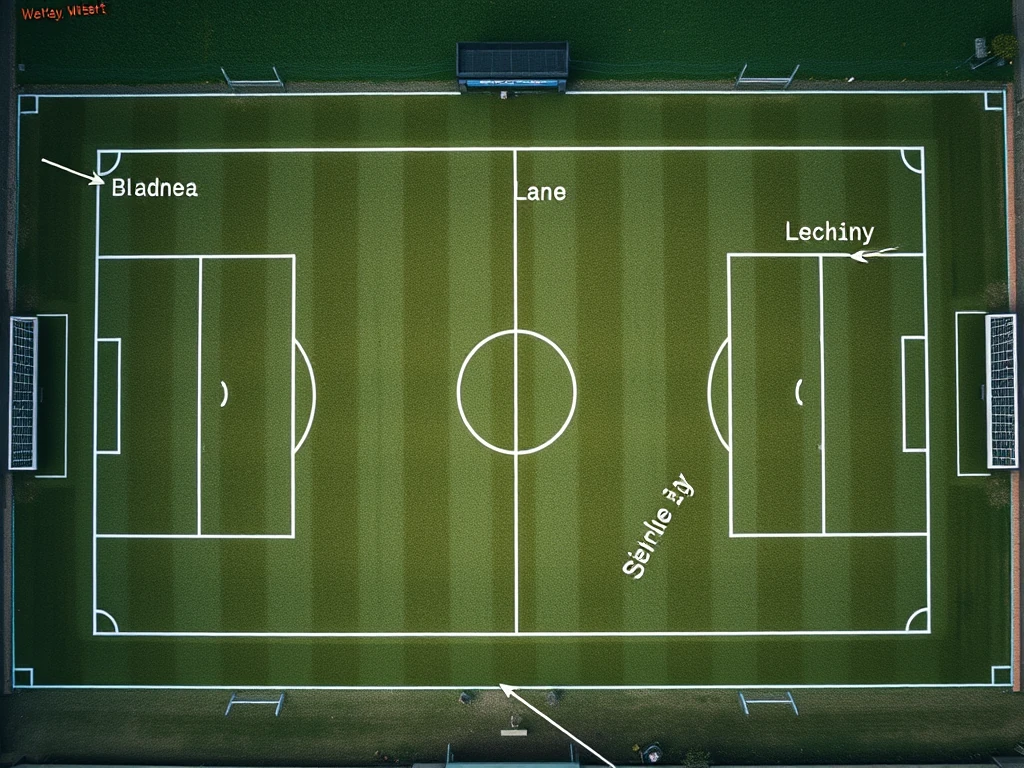
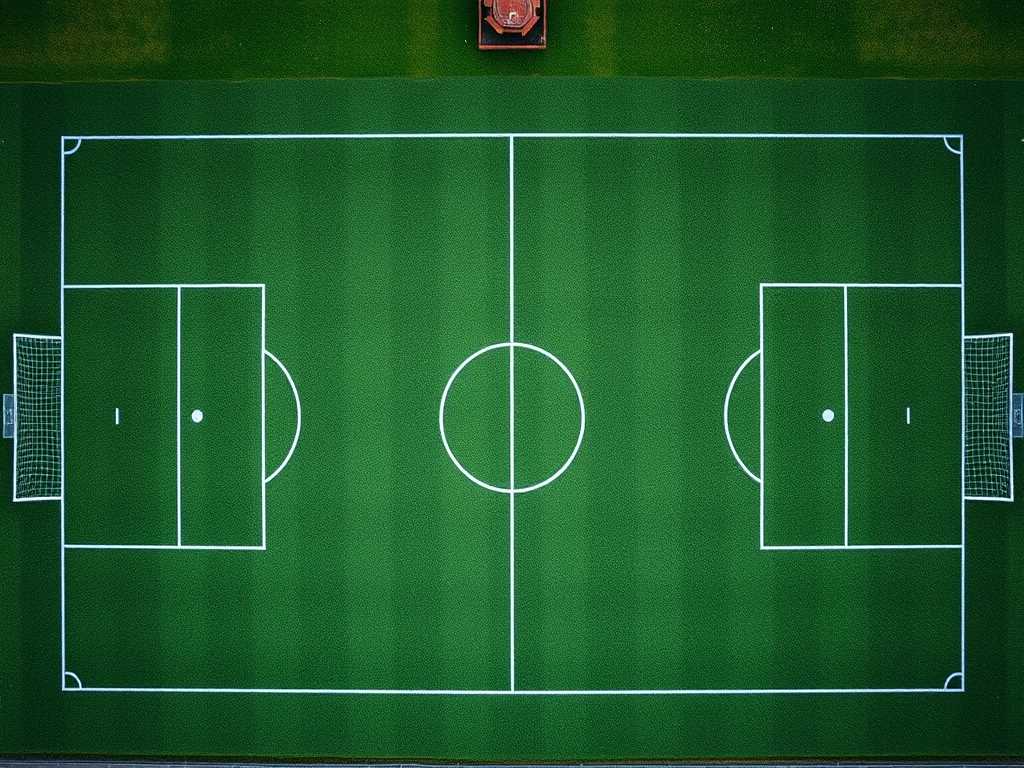
In recent matches, Carrick Rangers have employed a 4-2-3-1 formation that has provided a solid foundation for both defensive stability and offensive opportunities. However, the effectiveness of this setup has been hampered by an over-reliance on wide play, often leading to predictable patterns that opposition defenses can easily read. The wingers, while talented, have found it challenging to consistently break down compact defenses without significant support from the midfield.
Midfield Connectivity
One potential tweak lies in enhancing the connectivity between the midfield and the forward line. Currently, the two central midfielders often sit too deep, which limits their ability to link play effectively. Introducing a more dynamic attacking midfielder who can push higher up the pitch would provide additional support to the forwards and create more space for the wingers to exploit. This adjustment could also help in transitioning quickly from defense to attack, catching opponents off guard.
Variability in Width
Another area for improvement is the variability in width during attacking phases. While the wingers have been tasked with stretching the play, there’s an opportunity to rotate their positions more frequently with the full-backs. Encouraging overlapping runs from the full-backs can create overloads on the flanks, providing more crossing opportunities into the box. However, this must be balanced with defensive responsibilities to avoid vulnerabilities on the counter-attack.
Targeting Set-Pieces and Finishing
Carrick Rangers have also struggled to convert set-pieces into goals-a crucial aspect of modern football where games are often decided by fine margins. By focusing on set-piece routines that utilize the height and physicality of their players, the team could capitalize on these opportunities more effectively. Training sessions should emphasize not just delivery but also the timing of runs and positioning to ensure that the team can convert these chances.
Player Roles and Staggering Runs
In terms of individual roles, it might be beneficial to reassess the positioning of the forwards. Rather than having a static striker, a more fluid approach where forwards interchange positions could confuse defenders and create mismatches. Encouraging the striker to drop deeper at times could also pull defenders out of position, creating spaces for onrushing midfielders to exploit. This fluid movement would require coordination and understanding among the players but could significantly elevate Carrick's attacking threat.
Conclusion: A Path Forward
To summarize, while Carrick Rangers have shown glimpses of attacking potential, tactical adjustments focused on midfield connectivity, variable width, effective set-pieces, and fluid forward movement could unlock their scoring capabilities. As they look to build momentum in the league, embracing these changes could provide the necessary spark to turn promising performances into tangible results. The fans at Loughview Leisure Arena will be eagerly awaiting these adjustments as The Gers aim to solidify their position in the Premiership and challenge the likes of Larne for regional supremacy.