
Match Result and Key Moments
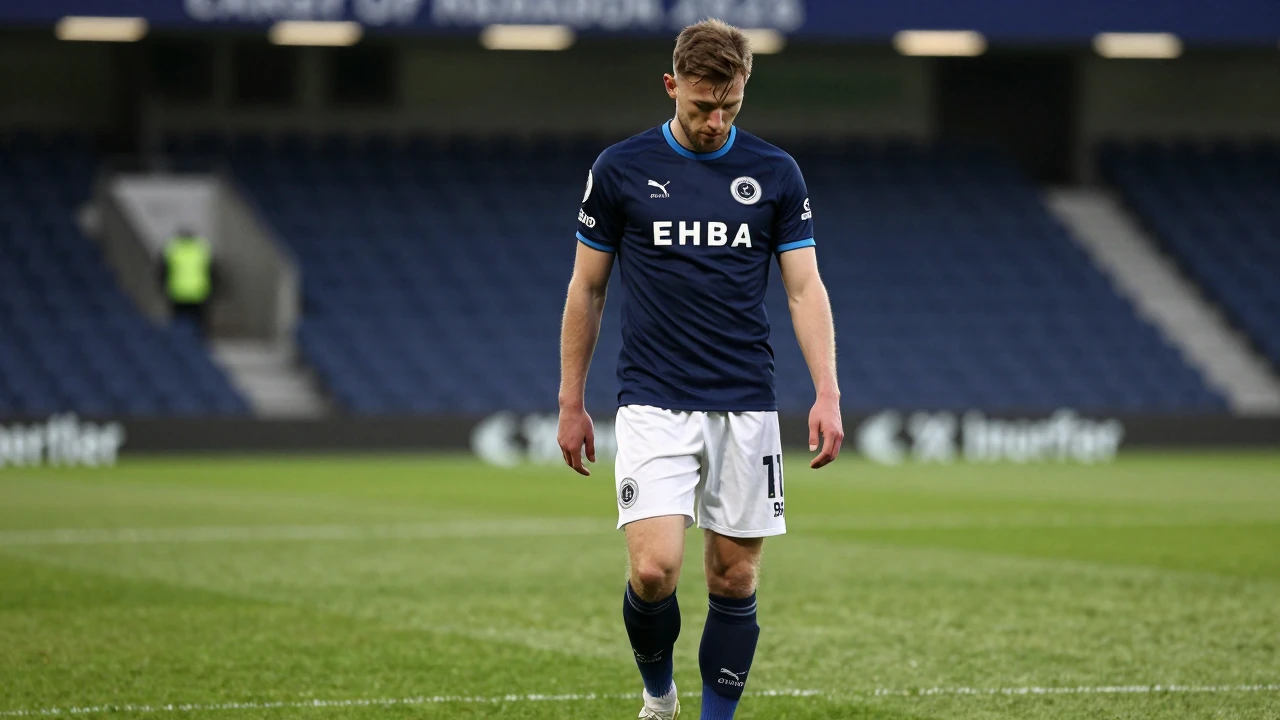
Manchester United were defeated 2-0 by Hull City on Saturday, with the goals coming in the first 21 minutes. Hull’s first goal arrived in the 7th minute from a set‑piece, and a second followed in the 21st minute, securing a straightforward victory for the visitors.
United’s Defensive Shortcomings
Hull’s manager, Sergej Jakirovic, deployed a back five, using three centre‑backs on 10 occasions last season. The structure proved effective against United, crowding the centre of the penalty area. Opta’s shot map shows Hull conceded only eight efforts in the “danger zone” – five of those were headers, which are harder to convert. United’s inability to defend set pieces was a key factor in Hull’s two goals.
Attack Quality and Expected Goals
United’s 21 shots yielded only 1.83 expected goals, while Hull generated 1.01. Of United’s shots, 16 were worth less than 0.1 expected goals, a rate that was 0.104 last season and 0.087 against Hull. The team’s open‑play shots were the third‑worst among top‑half Premier League teams. The highest‑value chances against Hull were from Patrick Dorgu and Noussair Mazraoui, with only 16 top‑flight goals between them.
Player Performance and Future Concerns
Michael Carrick, who spoke before the match, said the win would not have been easy. He added that United’s attack needs work and that Marcus Rashford should take Dorgu’s place if he remains with the club. Rashford’s natural attacking instincts may have helped create better chances in the first half, but the overall conversion rate remains alarming.
Tactical Implications
United have now won only one of their last six league matches against teams that started with a back three or five. Leeds beat United 2-1 at Old Trafford in April with a 3-4-3 formation, and Milan used the same framework to win 4-2 in a final warm‑up game. The result suggests United’s current approach may not address the structural issues in their attack.
Conclusion
United’s defeat highlights a broader concern over the team’s attacking output and defensive lapses on set pieces. The club will need to reassess its tactics and player roles to avoid similar outcomes in the future.